

 WWLTP | We Would Like To Play
Gaming. Esports. Movies. Music. Culture.
Fangs, Fear, and a Ticking Clock: Why The Blood of Dawnwalker Is the Dark Fantasy RPG We Desperately Needed
If you’ve spent the last decade complaining that open-world RPGs have become glorified checklist simulators where you can casually fish or pick flowers while the world allegedly burns, prepare to have your anxiety weaponized.
The Blood of Dawnwalker is the debut title from Rebel Wolves, a powerhouse studio born when veteran developers (including The Witcher 3 director Konrad Tomaszkiewicz) decided they wanted to strip away corporate bloat and make pure, unadulterated dark fantasy. Published by Bandai Namco, this Unreal Engine 5 epic doesn’t just ask you to save the world; it forces you to look at a calendar and realize you mathematically cannot save everyone.
Here is a full, unfiltered breakdown of the game, its bite, its blemishes, and why it’s dominating gaming conversations.
The Studio: Rebel Wolves and the Witcher DNA
When a new studio pops up promising to “revolutionize mature storytelling,” cynical gamers usually reach for the nearest eye-drops. However, when the founders are the literal minds behind CD Projekt Red’s most iconic triumphs, people listen.
Rebel Wolves was built on the philosophy of tight, branching choices, handcrafted open worlds, and deep tabletop-inspired roleplay elements. With The Blood of Dawnwalker , they set out to prove that independent-spirited studios can still deliver AAA production values without sacrificing narrative integrity.
The Storyline: A 14th-Century Nightmare
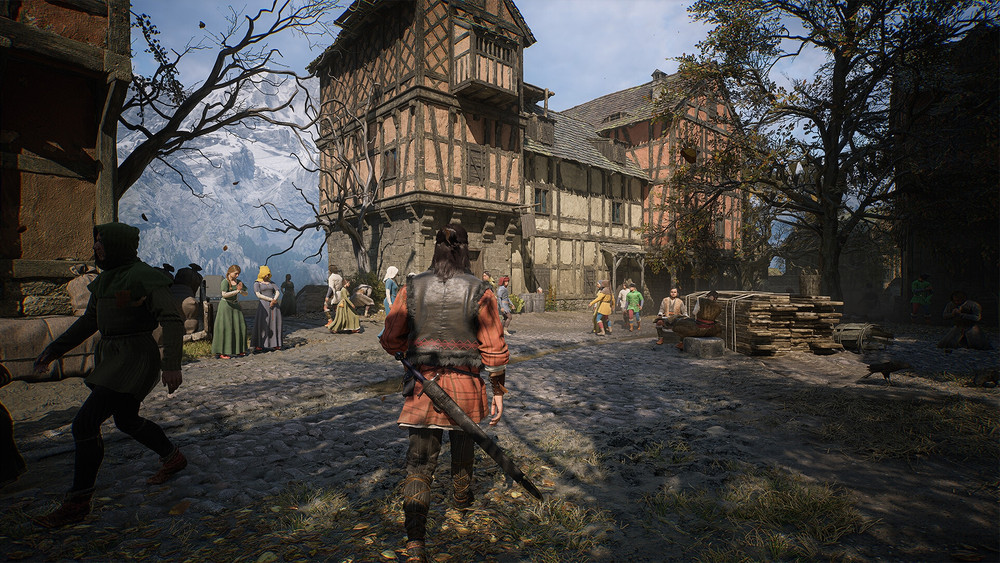
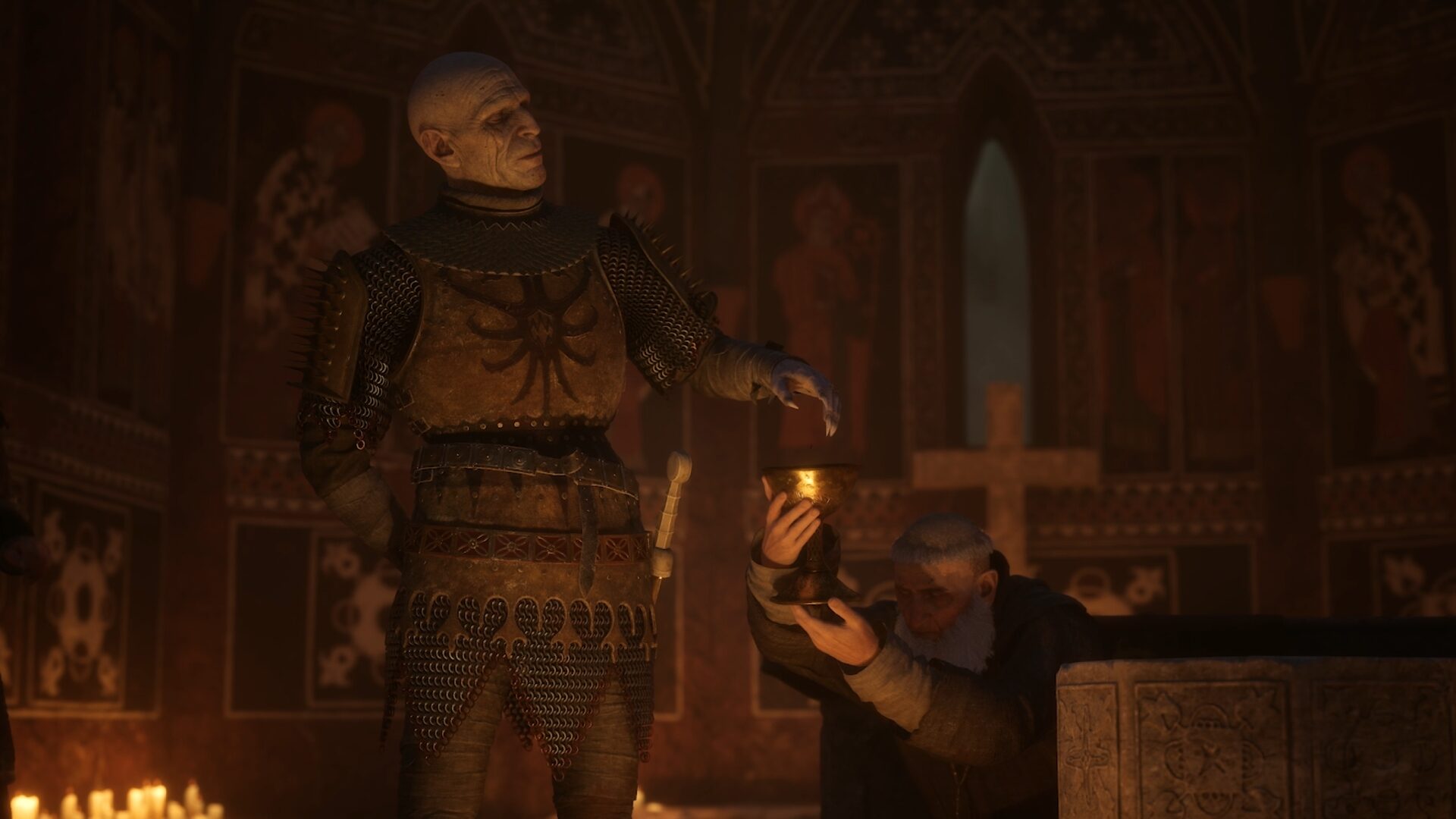
Set in a grim, plague-ridden 14th-century Europe, human civilization is already on its knees thanks to the Black Death and endless feudal warfare. Naturally, that is precisely the moment the creatures of folklore decide to step out of the shadows. Vampires have seized control, turning medieval squalor into their personal hunting preserve.
You step into the heavy boots of Coen, a young man caught in a terrifying middle-ground after being transformed into a “Dawnwalker,” a hybrid existence dangling between humanity and pure vampirism.
☀ Daytime
Human form
Precision swordplay
Peaceful diplomacy
Vulnerable to threats
☾ Nighttime
Vampiric form
Supernatural agility
Blood-magic and claws
Bloodlust management
Your primary objective is deeply personal: your family is marked for death by your vampire sire, and you have 30 in-game days to track them down and alter their fate. The genius (and cruelty) of the system is that time only moves forward when you commit to major narrative actions or critical quests. Wander the woods as long as you want, but the second you dive into a major questline, the clock ticks. You physically cannot clear every side-quest or save every village, forcing players into brutal, morally gray triage.
The Gameplay Breakdown
Dawnwalker splits its core loop into two vastly different states:
By Day: Coen is human. You interact safely with townsfolk, weave through intricate political factions, use magic support, and engage in methodical, directional sword-fighting.
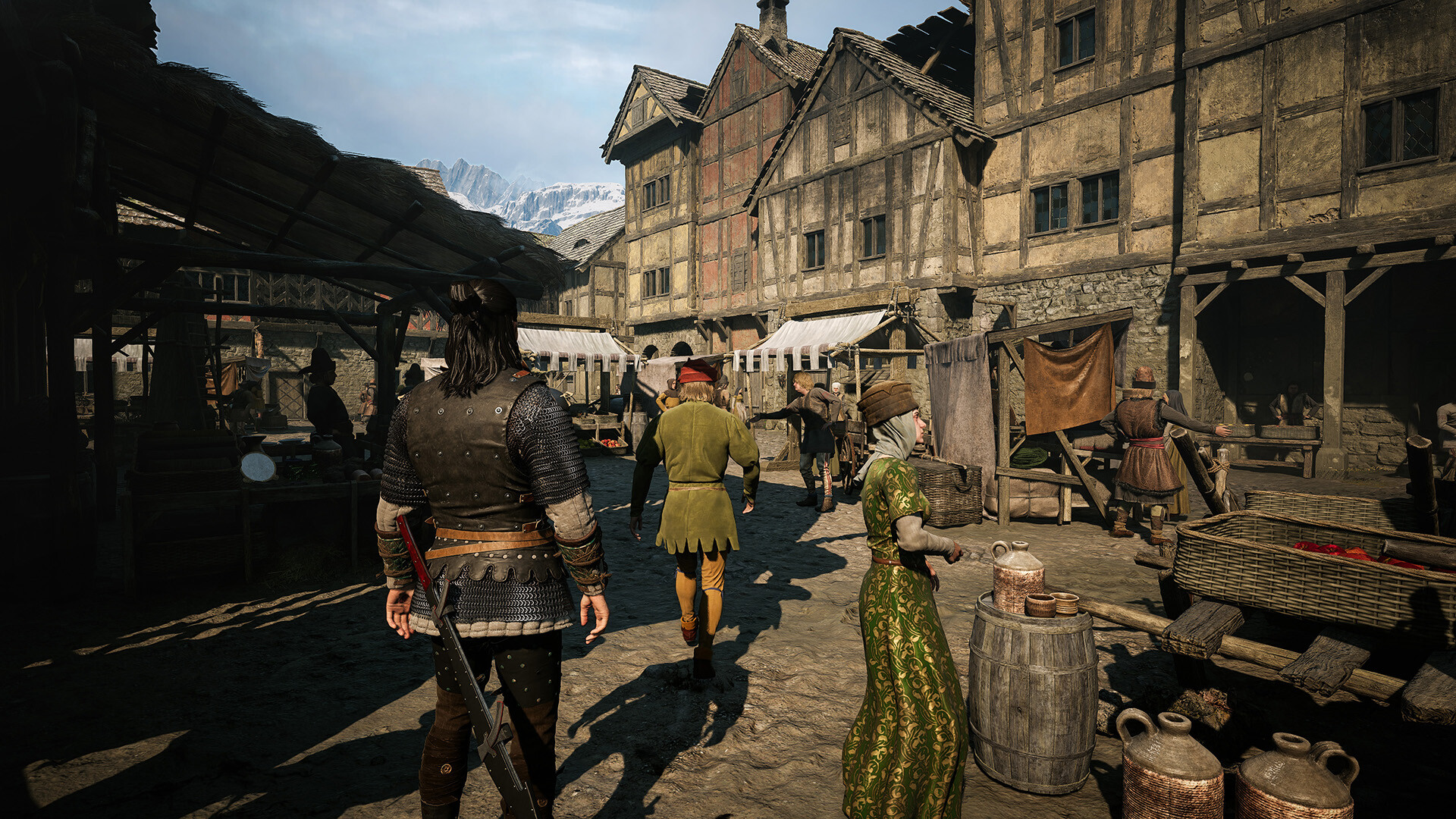
By Night: The beast takes over. Traversal completely opens up as you scale vertical architecture with superhuman agility, tearing through foes with claws and blood-magic. However, staying out at night means managing Coen’s Bloodlust. If you neglect to feed on enemies or livestock, Coen’s primal instincts risk taking over—sometimes resulting in you accidentally draining innocent townsfolk or key traders.

The Good, The Bad, and The Bloody
The Good
- Real Consequences: The 30-day structural timer gives every choice actual weight. Deciding to spend two days investigating an ancient cure means a nearby town might fall to the plague in your absence.
- Phenomenal Dual-Combat Loop: Shifting from grounded, tactical medieval steelplay by day to chaotic, roof-hopping predator action by night keeps combat consistently fresh.
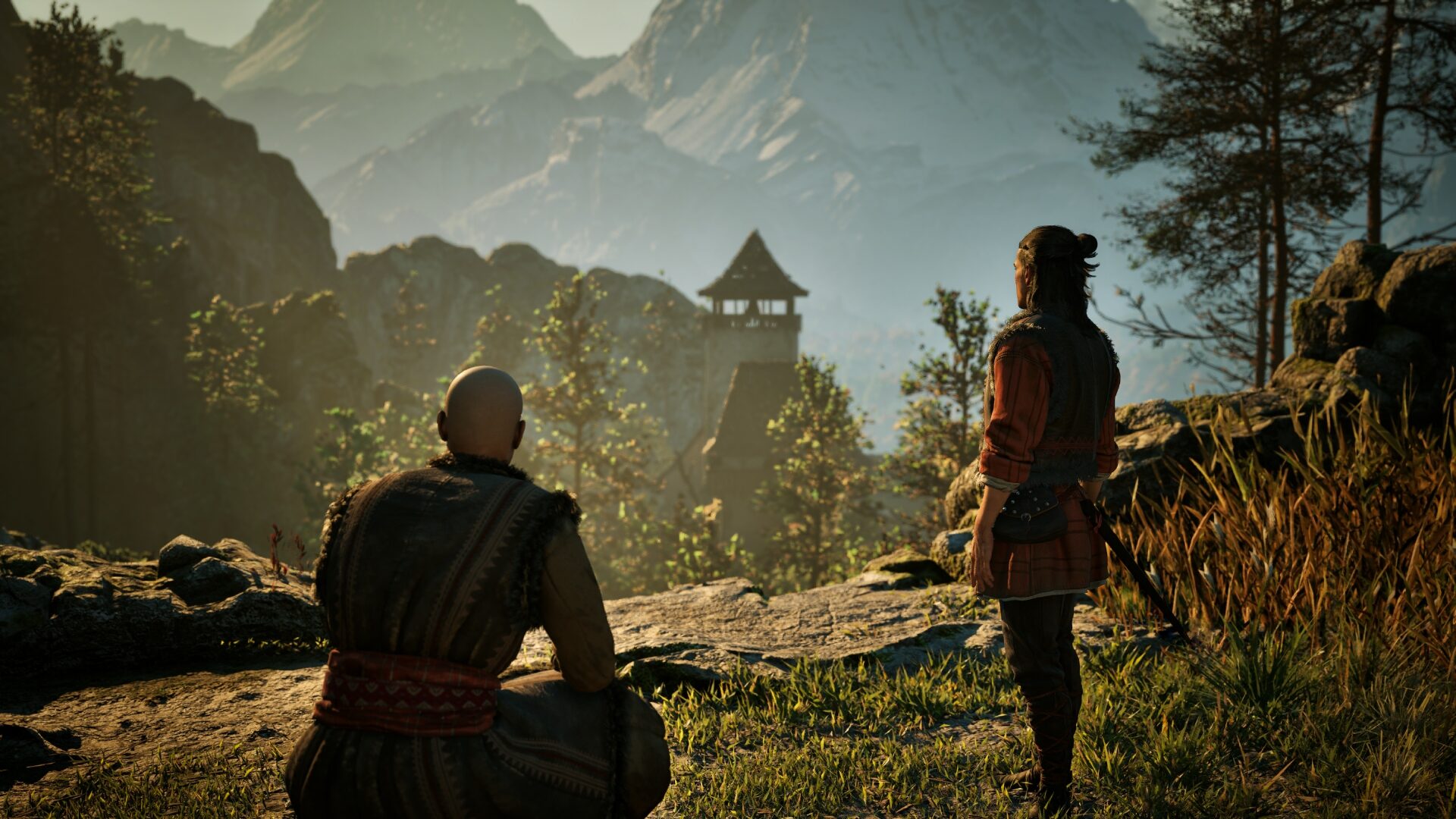
- Atmospheric World Design: Powered by Unreal Engine 5, Vale Sangora is a rotting, beautiful masterpiece of gloom, mud, and gothic dread.
- Adult Storytelling: The writing treats the player like an intellectual, steering clear of cartoonish heroism in favor of complex survival politics.
The Bad
- Anxiety for Perfectionists: If you suffer from “map-clearing OCD,” the time limit will test your mental health. You must accept failure and missed opportunities as part of your unique playthrough.
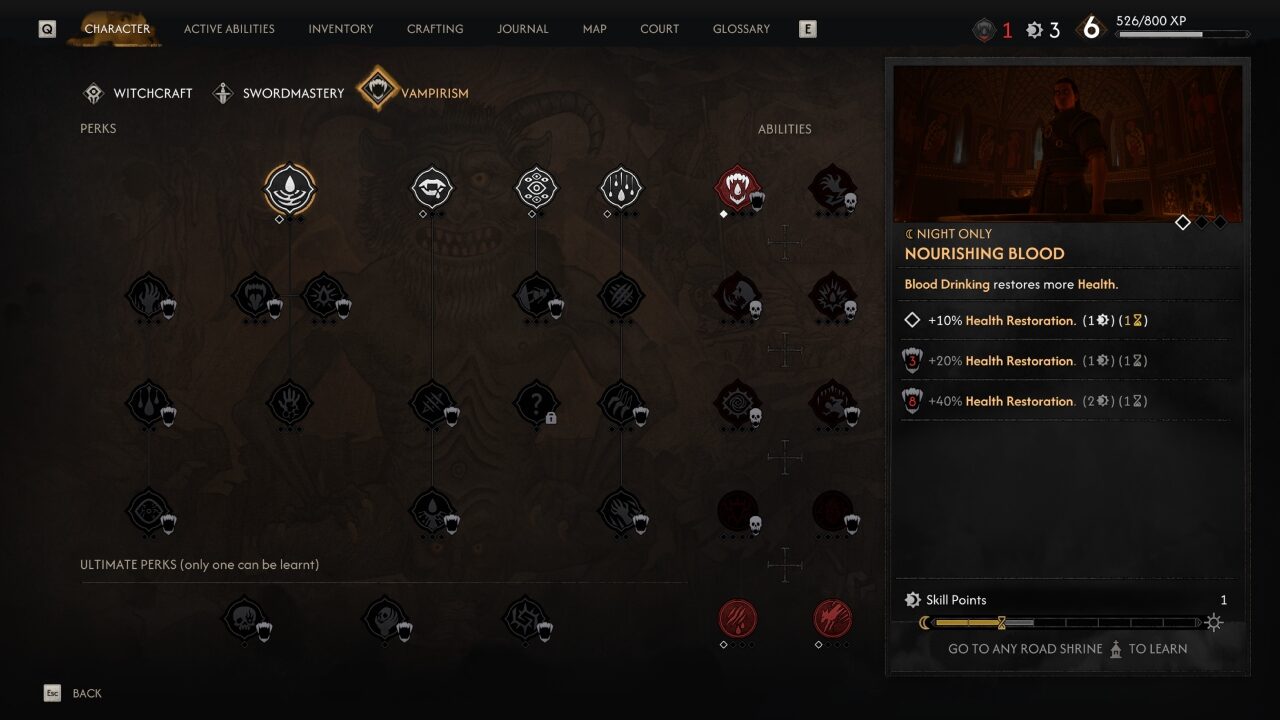
- Steep Early-Game Learning Curve: Juggling bloodlust, skill trees, and quest pacing all at once can feel punishing during the opening hours.
- Occasional Technical Stutters: Heavy urban environments during dense night-time action scenes can trigger minor frame drops on launch hardware.
Accolades & Critical Reception
Critical reception for Rebel Wolves’ debut has been overwhelmingly stellar, with outlets praising the studio for injecting true innovation into a stale open-world formula.
- IGN & Major Outlets: High praise across the board, frequently highlighting its narrative bravery.
- Community Reception: Boasts a heavily positive consensus from players who appreciate a dark fantasy RPG that doesn’t hold your hand.
- Awards Outlook: The Blood of Dawnwalker has swiftly positioned itself as a major contender for end-of-year accolades, particularly in Best Narrative and Best RPG categories.
Editor's note: The reception and performance statements above reflect the author's submitted article and have not been independently verified for publication.
Final Verdict & Score
The Blood of Dawnwalker is a triumphant proof-of-concept for Rebel Wolves. It’s an intelligent, uncompromising dark fantasy epic that respects your time by making every single second matter. It has teeth, style, and a gripping narrative identity that will stick with you long after the credits roll.