


WWLTP | We Would Like To Play
Gaming News. Esports. Movies. Music. Culture.
Remembering Victor Miller
The writer who helped open the gates to Camp Crystal Lake — and whose 1980 screenplay ultimately echoed through movies, pop culture and generations of video games.
Some writers create a movie. A very small number create an idea that escapes the screen and becomes part of popular culture.
VICTOR MILLER HELPED CREATE ONE OF HORROR'S MOST ENDURING WORLDS.
In 1980, audiences arrived at Camp Crystal Lake. They met a group of young counselors, heard the story of a boy named Jason Voorhees, and discovered that the killer stalking the camp was his grieving mother, Pamela Voorhees.
Victor Miller wrote the original Friday the 13th screenplay. The franchise that followed would transform Jason into a hockey-mask icon, but Miller's foundation, Crystal Lake, Jason, Pamela and the tragedy behind them was already there.
The Road to Crystal Lake
Miller was born May 14, 1940, in New Orleans. His writing career extended far beyond horror, including film and decades of daytime television. He would become a three-time Daytime Emmy winner for his work on All My Children.
But one screenplay permanently attached his name to horror history.
Working with filmmaker Sean S. Cunningham, Miller developed the story that became Friday the 13th. The isolation of a summer camp provided the perfect trap: young people far from immediate help, a buried tragedy and a killer whose motive was intensely personal.
THE PLACE WAS CAMP CRYSTAL LAKE. THE NAME WAS JASON VOORHEES.
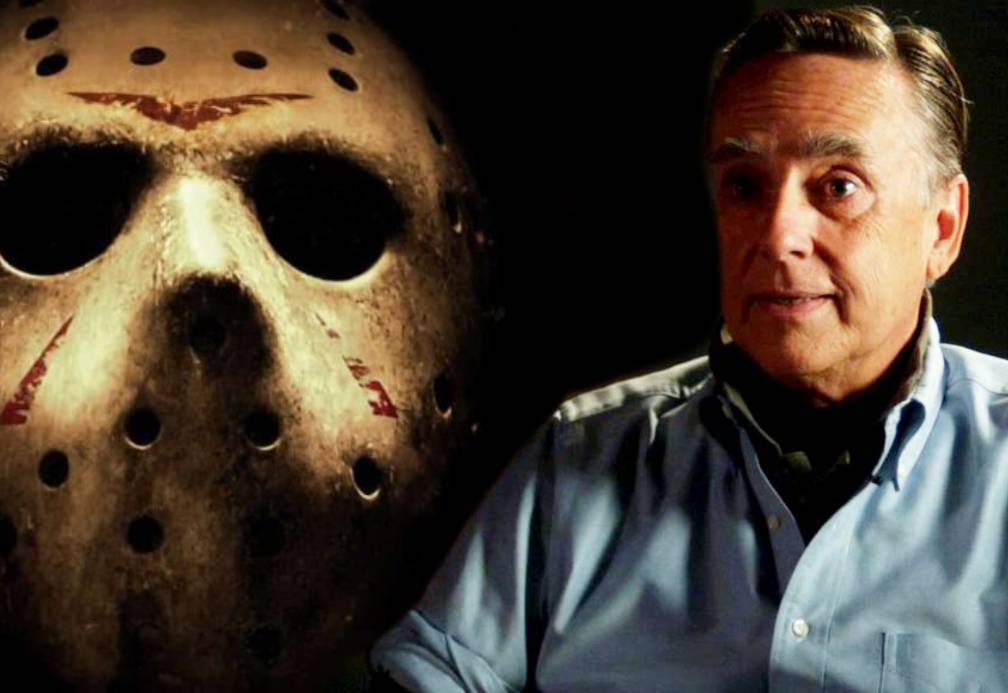
Pamela Voorhees: The Original Killer
One detail matters when remembering Miller's original story: Jason was not the adult hockey-mask killer audiences now immediately picture. The murderer in the first movie was Pamela Voorhees, a mother driven by the death of her son.
Miller's twist turned motherhood into the source of the film's terror. Jason's story was the wound at the center of the movie; Pamela was the person carrying it.
Later filmmakers took Jason in a radically different direction, eventually creating the nearly unstoppable slasher icon known around the world. Miller was not involved in writing those sequels, but the characters and mythology that began with the original screenplay became their foundation.


From Crystal Lake to the Controller
By the mid-1980s, Friday the 13th was no longer confined to movie theaters. Games began asking players to do something audiences could never do from a theater seat:
SURVIVE CRYSTAL LAKE YOURSELF.
The licensed game history stretches from 8-bit home computers and the NES through mobile phones, modern consoles and online multiplayer. Here is the full core Friday the 13th video-game lineage.
Friday the 13th: The Computer Game
The first licensed Friday the 13th video game placed players at Crystal Lake while Jason could disguise himself among the group before attacking.
Amstrad CPC • Commodore 64 • ZX Spectrum
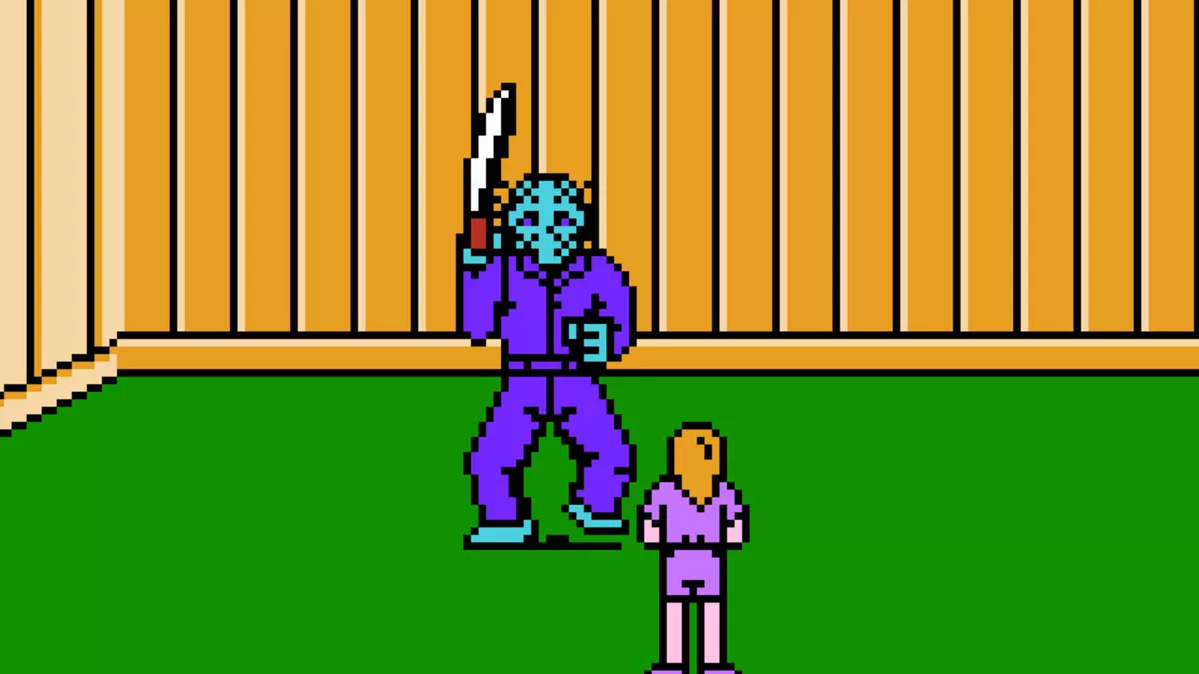
Friday the 13th
LJN brought Jason to Nintendo. Players controlled camp counselors, protected children, explored cabins and fought Jason across Crystal Lake.
Nintendo Entertainment System
Friday the 13th: Road to Hell
HeroCraft and MindMatics revived the license for the mobile era, bringing Friday the 13th to J2ME phones.
Mobile / J2ME
Friday the 13th
Xendex followed with another licensed mobile title based on the original film, putting the player in the role of a counselor trying to uncover the killer and escape.
Mobile phones
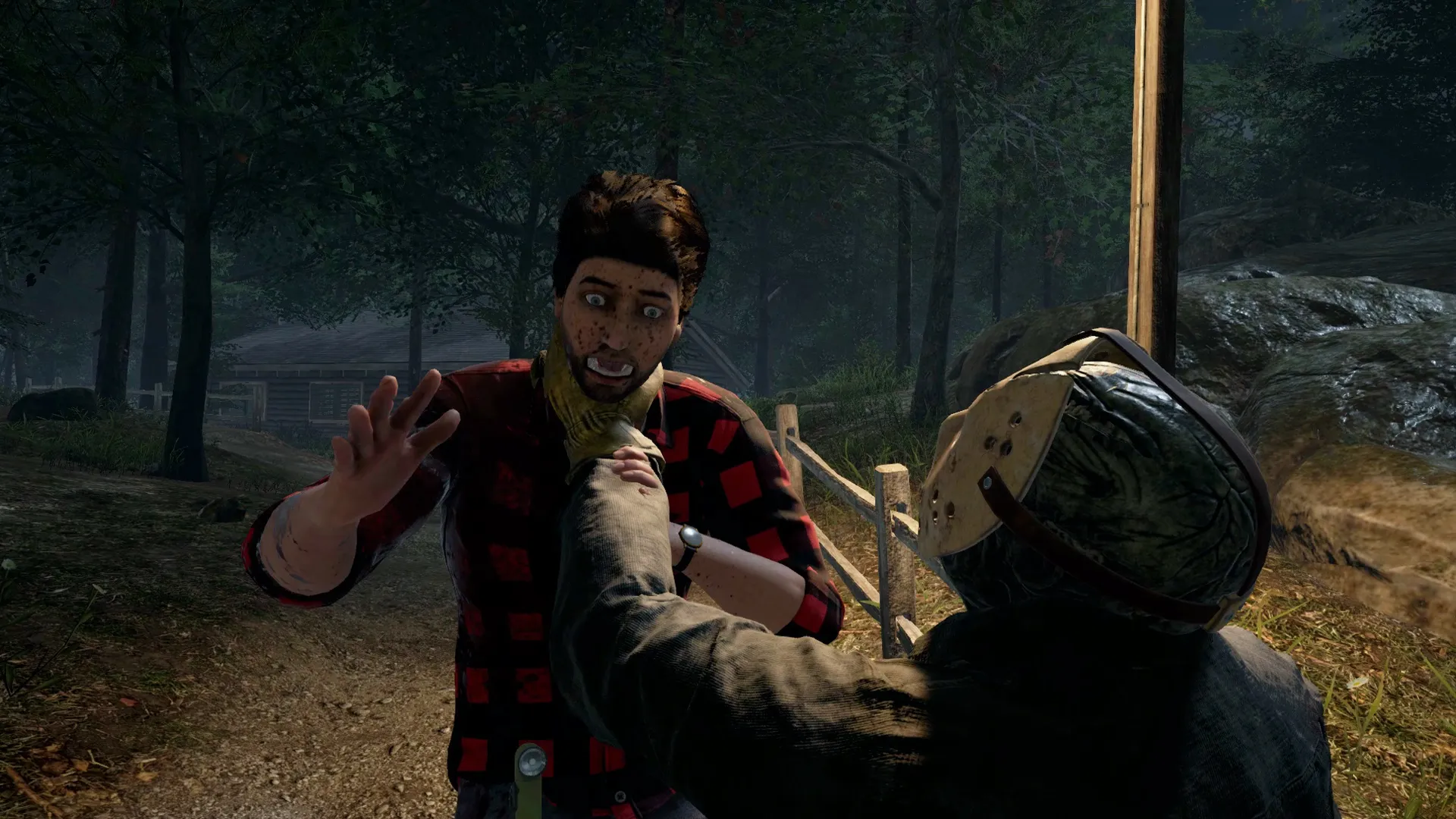
Friday the 13th: The Game
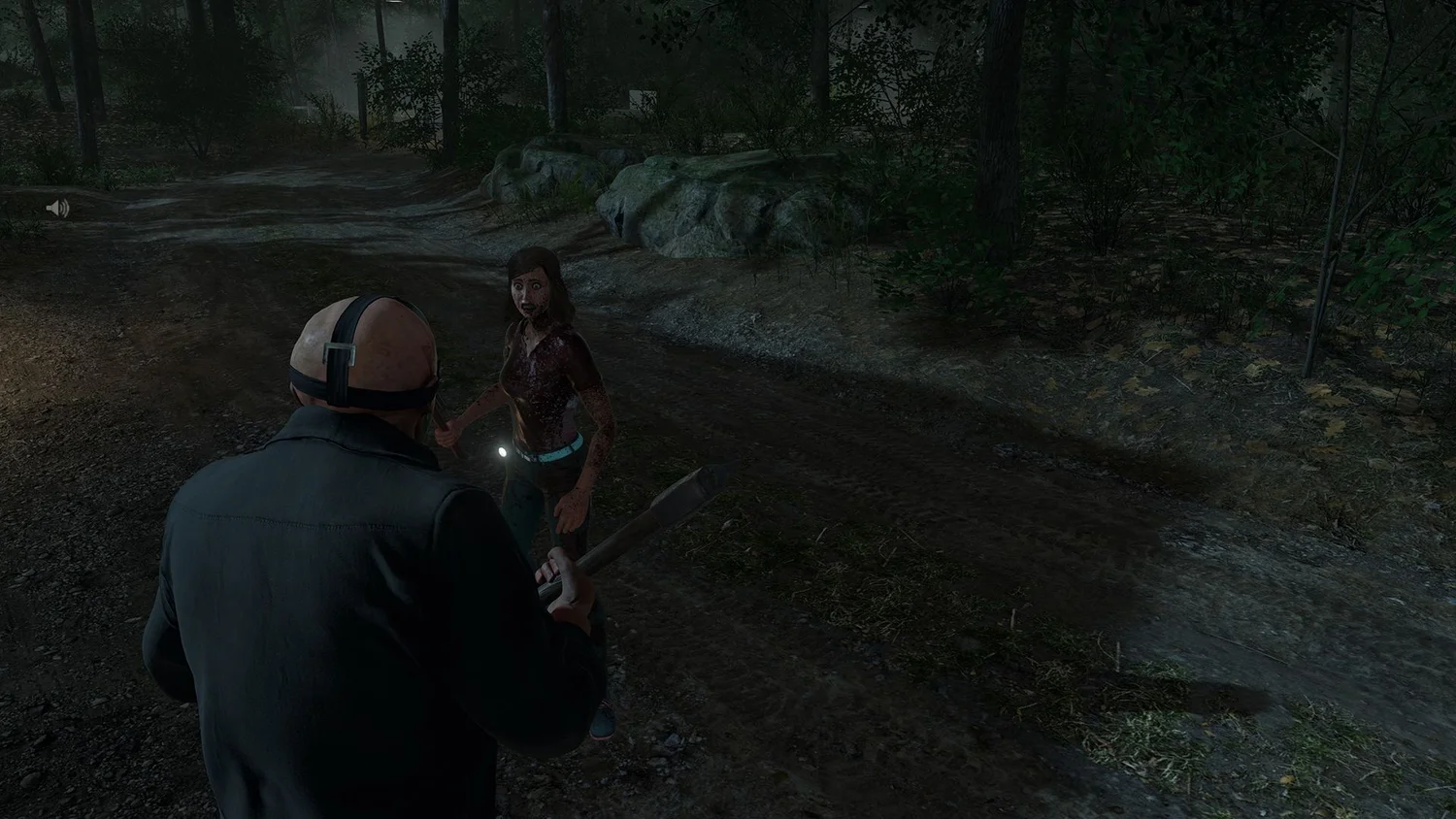
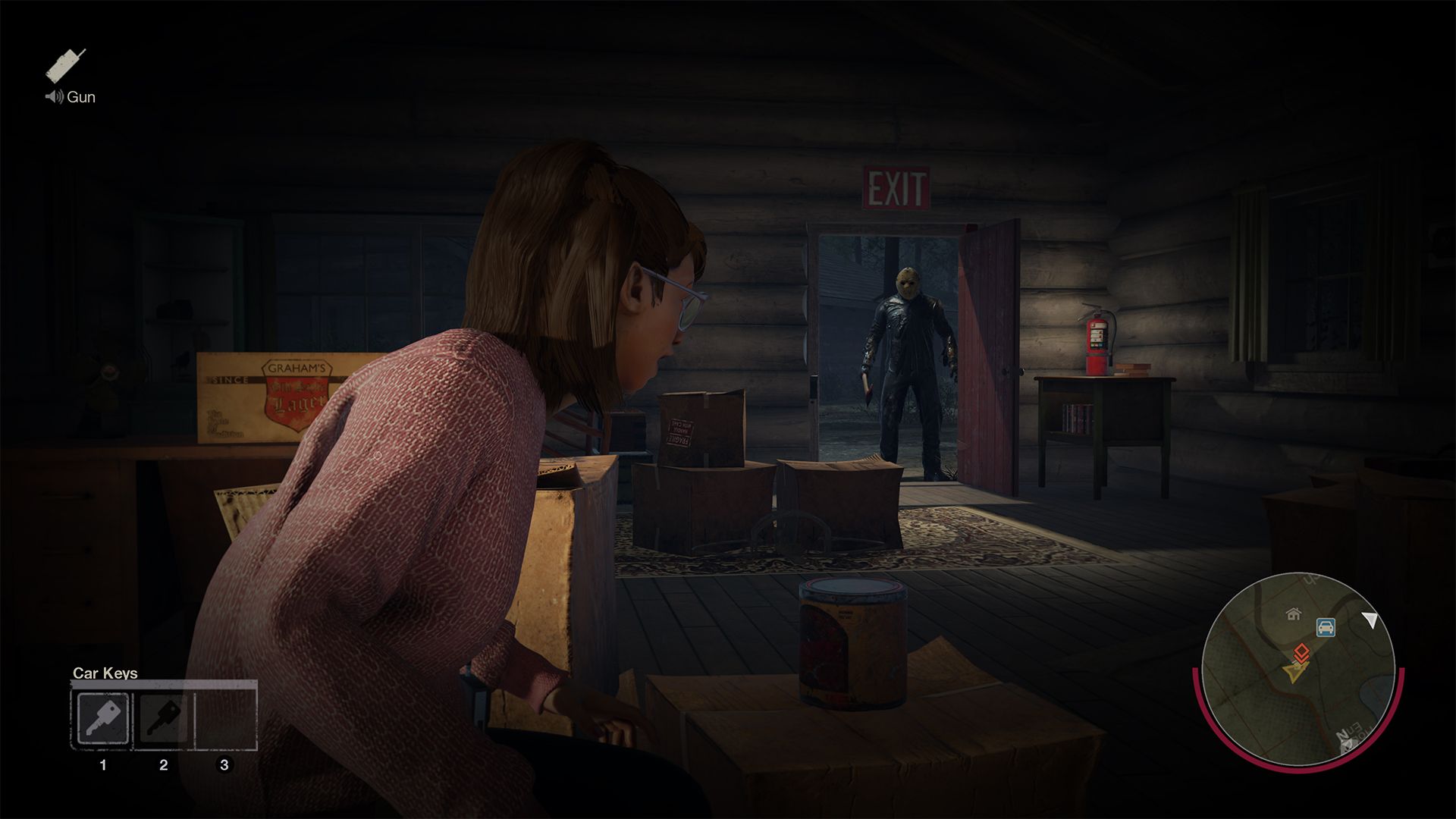
The definitive playable Crystal Lake experience. One player could become Jason while counselors repaired cars, called police, hid, fought back and tried desperately to survive.
PC • PlayStation 4 • Xbox One • Nintendo Switch

Friday the 13th: Killer Puzzle
Blue Wizard Digital transformed Jason into the centerpiece of a darkly comic sliding-puzzle game spanning campgrounds and increasingly outrageous environments.
iOS • Android • PC • Mac • Switch • PS4 • Xbox One
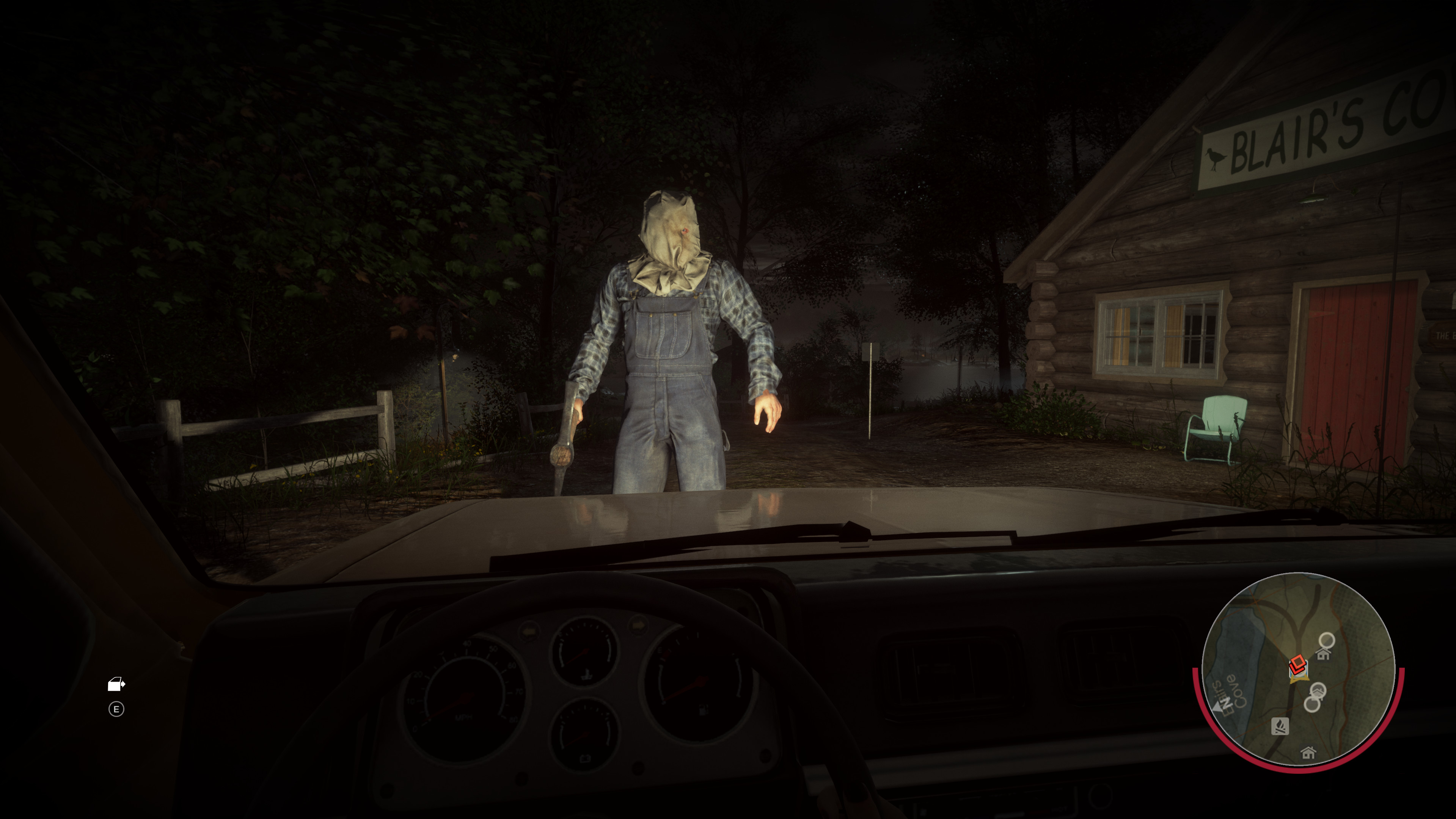
2017: Crystal Lake Became Multiplayer
Friday the 13th: The Game was where the franchise's gaming potential finally exploded. Developed by IllFonic and published by Gun Media, the asymmetric survival-horror game arrived in 2017.
One player hunted as Jason. The others became counselors. Escape could mean repairing a car, getting a boat running, calling the police, surviving long enough for help — or somehow fighting back.
The result captured something essential about the movies: Jason did not merely exist as a boss waiting at the end of a level. He was the threat shaping every decision.
WHEN THE MUSIC CHANGED, YOU KNEW HE WAS CLOSE.
The Rights Battle That Reached The Game
Victor Miller's legacy also became tied to gaming in a way few screenwriters ever experience. Miller exercised his statutory right to terminate an earlier copyright grant connected to his original screenplay. Litigation followed over whether his writing had legally been a work made for hire.
The federal appeals court ultimately affirmed that Miller was an independent contractor for copyright purposes and could terminate the grant of rights to his screenplay.
While that dispute was unresolved, the developers of Friday the 13th: The Game announced that no additional content could be released. Planned additions including new Jason variants, counselors, maps and other material were halted.
A COPYRIGHT FIGHT OVER A 1979 SCREENPLAY HAD REACHED A 21ST-CENTURY VIDEO GAME.
It is an extraordinary example of how far Miller's original work traveled. The words typed decades earlier still mattered to movies, licensing, game development and the future of Crystal Lake.
Victor Miller's Legacy Timeline
More Than Jason
It would be easy to reduce Victor Miller's career to one horror movie. That would miss the bigger story.
He wrote films and built a substantial television career, including work on daytime dramas such as Guiding Light, One Life to Live, Another World and All My Children. His television work earned him three Daytime Emmy Awards.
Yet popular culture has a way of choosing the creation that follows an artist forever.
For Miller, it was a summer camp.
A mother.
A drowned child.
And a name that eventually became inseparable from a hockey mask.
Thank You, Victor
Victor Miller did not write the adult masked Jason who dominated the sequels. He did something more fundamental: he helped create the tragedy and the characters that made everything afterward possible.
Movies changed Jason. Artists changed Jason. Game developers changed Jason. Players eventually became Jason.
But every road still led back to Crystal Lake.
THE SCREENPLAY ENDED. THE LEGEND DIDN'T.
Every time somebody boots up an old NES cartridge, remembers escaping Jason with friends in the 2017 game, or discovers the original film for the first time, the world Victor Miller helped create starts moving again.
THANK YOU, VICTOR MILLER.
WWLTP Remembers Victor Miller
He wrote a story about a summer camp, a grieving mother and a boy named Jason. More than four decades later, audiences were still watching — and gamers were still trying to survive the night.
The screenplay ended. The legend didn't.
CAMP CRYSTAL LAKE LIVES ON.